
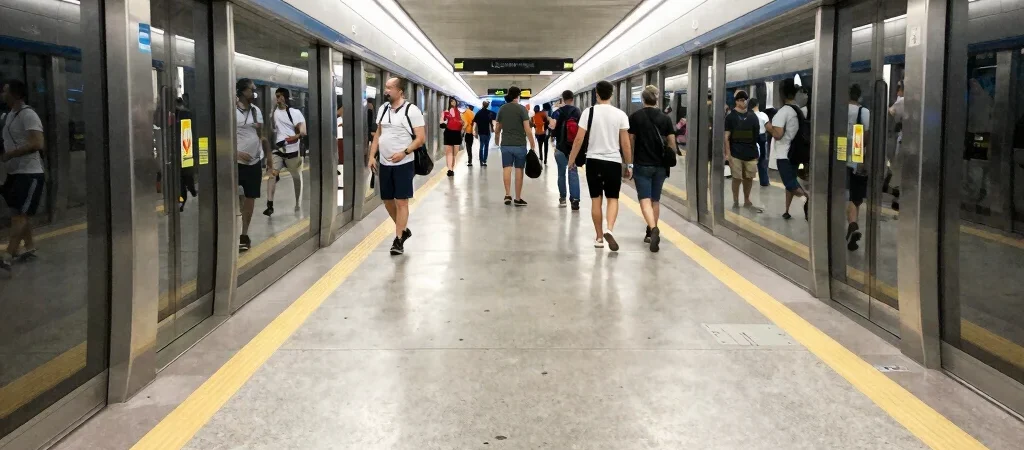
Navigating a sprawling metropolis like Rio de Janeiro efficiently requires structured transit choices grounded in local safety reality. While the subway system offers high security standards and clean facilities, surface transit like public buses demands sharper situational awareness. Selecting the right transit mode based on neighborhood geography and time of day ensures smooth urban travel.
Metro Rio Safety and Peak-Hour Best Practices
Metro Rio connecting Zona Sul, Centro, and Barra da Tijuca stands out as the safest public transportation option in the city. Stations feature active security personnel, clear turnstile controls, and monitored platforms. During rush hours, keep backpacks in front of your chest to avoid pickpocketing in crowded train cars, and pay attention to designated women-only cars operating during peak weekday shifts.
Ride-Hailing App Setup and Pickup Location Selection
Ride-hailing apps provide reliable door-to-door transport, particularly for evening journeys between restaurant districts and hotels. Wait for your designated driver inside the lobby or well-lit entrance of a venue rather than standing on the curb holding your phone. Always match the license plate digits and request the driver state your name before boarding the vehicle.
Navigating City Bus Routes and Main Terminals
Local city buses require higher vigilance due to variable route safety and rapid door cycles at busy stops. Avoid displaying expensive jewelry, high-end watches, or cameras while seated near open bus windows along major avenues. For longer intercity trips departing from Central do Brasil or Novo Rio, utilize main waiting halls rather than exterior perimeter sidewalks.